Compact Track Loader vs Skid Steer: Which Fits Your Jobsite?
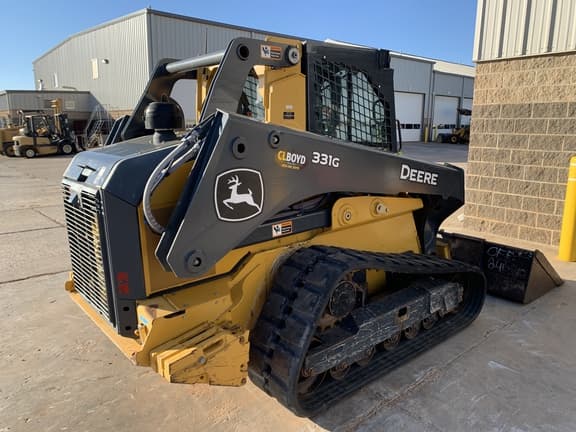
Tracks or tires is one of the oldest compact-equipment arguments on a jobsite. Both machines share a similar cab, similar attachment habits, and a similar “do everything small” role — but they punish different ground, move differently on trailers, and wear out in different places. Track & Blade is a marketplace connecting buyers and sellers of used construction equipment. We are not the seller of record and we do not stock a yard for you to “pick one up.” Use this fork to decide which undercarriage fits the work, then browse live listings and connect with the seller.
What actually differs (tracks vs tires)
A skid steer (wheeled) steers by driving one side faster than the other — literally skidding the tires. A compact track loader (CTL) puts rubber tracks under a similar chassis and steers with less ground tear on soft or finished surfaces.
Shared DNA is real: both run a wide range of buckets, forks, grapples, and specialty tools; both are built for tight sites and frequent attachment changes. The decision that usually matters first is how the machine contacts the ground — flotation, traction, pavement manners, and what you will spend maintaining that contact over the life of the machine.
Everything else in this guide hangs off that fork.
Ground pressure, traction, and turf — when each wins
Soft ground, mud, slopes
CTLs generally win when the ground is soft, wet, or easily rutted. Tracks spread the machine’s weight over a larger footprint, which helps flotation in mud, sand, and loose fill. On slopes and disturbed earth, the longer track contact often feels more planted than a wheeled skid trying to claw for bite.
That does not make a CTL magic. Tracks still pack mud, ice, and debris. Steep side-hilling, rock ledges, and poor operator habits will punish any undercarriage. But if your typical week looks like residential grade-outs, farm pads, or muddy utility corridors, tracks are usually the safer default.
Pavement, gravel, hardpack
Wheeled skid steers often feel more at home on pavement, compacted gravel yards, and hardpack where flotation is not the problem. Tires scrub less of a finished surface than tracks when you are loading trucks on asphalt or working a clean concrete pad — and tire replacements are a different ownership conversation than track packs.
If most of your day is warehouse yards, paved municipal work, or dry gravel pits with firm travel paths, a skid steer can be the cleaner fit. If you bounce between soft dig sites and hard travel, many crews still prefer tracks and accept the undercarriage cost for site versatility.
| Factor | Compact track loader | Skid steer |
|---|---|---|
| Soft ground, mud, slopes | Usually wins on flotation and planted traction | Can rut or struggle for bite |
| Pavement, gravel, hardpack | Tracks can scuff a finished surface | Often cleaner on firm travel paths |
| Yard travel | Usually trades some speed for stability once you leave the firm path | Often faster on firm ground between piles |
| Ownership wear (educational — no invented $) | Track packs, rollers, idlers, and sprockets | Tires, rims, and hard-skid wear |
Travel speed, cycle times, and trailerability
Wheeled skids often travel faster on firm ground between piles or across a yard. That can matter for load-and-carry cycles on hardpack. CTLs usually trade some of that speed for stability and traction once you leave the firm path.
Trailerability is a practical constraint either way:
- Confirm width, height, and weight against the trailer you actually tow.
- Ask whether track pads or tire condition will survive the next few seasons of loading ramps.
- Factor how often the machine leaves the yard. A machine that trailers easily on your existing setup often beats a “better on paper” unit you hate to move.
Transport and delivery are between you and the seller once you inquire. Track & Blade does not haul equipment; freight follows the seller’s terms.
Attachments and lift — what’s usually the same
For most buyers, the attachment story is largely shared. Buckets, pallet forks, grapples, trenchers, and many specialty tools cross between platforms when the coupler and hydraulic package match. Lift geometry and rated operating capacity still vary by model and configuration — verify those on the listing and with the seller rather than assuming every “same size class” machine lifts the same.
What usually decides the purchase is still the undercarriage, not the coupler. Buy the ground contact that matches your sites, then confirm the hydraulics and attachments you need day one.
Ownership cost forks (tracks vs tires) — educational only
No honest guide can invent a dollar figure that fits every region and duty cycle. What you can plan for is where the money goes:
- CTL: Track packs, rollers, idlers, and sprockets. Soft sites and rocky sites both wear tracks — differently, but they wear. Undercarriage condition on a used listing is often the make-or-break photo set.
- Skid steer: Tires, rims, and the consequences of hard skidding on abrasive surfaces. Tire cost is recurring; undercarriage is usually simpler than a track system, but pavement work and curb hops still add up.
Ask sellers for recent undercarriage or tire work, and judge photos of wear patterns yourself. Treat any “cheap hours” claim as incomplete until you know what is left on the tracks or rubber.
Quick decision: choose CTL if… / skid if…
Lean CTL if:
- Soft ground, mud, or finished turf show up most weeks.
- You need flotation and traction more than yard travel speed.
- Your jobs mix residential grade, utility, landscaping, and disturbed soil.
- You are willing to manage track maintenance for site access.
Lean skid steer if:
- Most work is on pavement, hardpack, or compacted gravel.
- Faster yard travel and simpler tire swaps matter more than flotation.
- Your sites are firm enough that track flotation is wasted capability.
- You want to compare wheeled options without assuming tracks are always “better.”
If the answer is still “both,” that is normal. Some fleets run one of each. Start with the machine that matches the worst ground you regularly face, then browse live asks.
| Choose CTL if | Choose skid steer if |
|---|---|
| Soft ground, mud, or finished turf show up most weeks | Most work is on pavement, hardpack, or compacted gravel |
| You need flotation and traction more than yard travel speed | Faster yard travel and simpler tire swaps matter more than flotation |
| Your jobs mix residential grade, utility, landscaping, and disturbed soil | Your sites are firm enough that track flotation is wasted capability |
| You are willing to manage track maintenance for site access | You want to compare wheeled options without assuming tracks are always “better” |
How to compare used listings (hours, year, ask, undercarriage/tires photos)
Read a compact-loader listing card in this order:
- Undercarriage or tires first — track percentage remaining (if stated), roller/idler photos, tire carcass and tread. This is the money photo set.
- Hours and year together — harsh demolition or quarry hours wear differently than landscaping hours. Application beats vanity-low meters.
- Asking price as a conversation starter — not a market appraisal. Compare similar configurations and included attachments.
- Hydraulics and coupler — high-flow vs standard, brand of coupler, whether forks/bucket stay with the ask.
- Seller location and next steps — inquire to connect with the seller for inspection, cold starts, and transport terms.
For a deeper pass on hours vs year vs ask, and a pre-buy checklist, see How to Read Hours, Year, and Asking Price on Used Construction Equipment and Checklist: What to Verify Before You Buy Used Heavy Equipment on a Marketplace.
Browse live machines on Track & Blade
When the tracks-vs-tires fork is clear, match it to live inventory.
- Start on used compact track loaders — the primary hub for comparing CTL hours, year, and asking price.
- Check used skid steers when wheeled is the better fit. That hub can be thinner; treat it as a secondary look, not a deep stock promise.
- Widen the search on inventory if you are still open across classes.
- Need help navigating a listing? Contact — or call (405) 873-7772 / email sales@trackandblade.com.
Track & Blade connects buyers and sellers. Walk the photos, ask the right undercarriage questions, then inquire on the listing and work inspection and transport out with the seller.