Checklist: What to Verify Before You Buy Used Heavy Equipment on a Marketplace
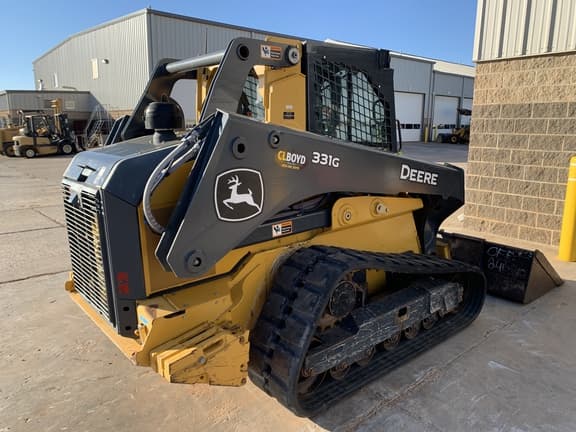
Buying used heavy equipment on a marketplace is different from walking a dealer lot or bidding at an auction. You compare open cards, inquire, then work through inspection, payment, and transport with the seller. This checklist keeps that process orderly.
Track & Blade is a marketplace connecting buyers and sellers. We are not the seller of record, not an escrow, and not a hauler. Use this list to prepare questions and decide when to walk away. It is educational — not legal, financing, or appraisal advice.
For how hours, year, and ask fit together on a card, see the companion guide: How to Read Hours, Year, and Asking Price on Used Construction Equipment.
| Phase | What to verify |
|---|---|
| Before you inquire | Identity: make, model, year, hours, serial/PIN if shown, configuration, attachments |
| Photos and video | Walkaround, engine bay, meter, cold start, function check |
| Condition | Engine, hydraulics, undercarriage/tires, structure, leaks |
| Documents | Owner, liens (caution only), bill of sale, payment terms — buyer–seller; Track & Blade is not escrow |
| Inspection | Who inspects, access, serial confirmation, functions vs listing story |
| Transport | Seller terms only — dimensions/weight you verify, who loads, landed picture |
Before you inquire — confirm identity of the machine
Do not inquire on a vague “looks right” photo. Lock the identity first.
Make, model, year, hours, serial/PIN if shown, configuration, attachments
Check off what the listing actually states:
- Make and model string matches what you think you are buying
- Year / model year is shown and consistent across title, body, and photos (when readable)
- Hours are stated; note whether a meter photo is included
- Serial / PIN is shown — or you plan to request it before deposit or travel
- Configuration is clear (standard vs long-reach, blade type, coupler, etc.)
- Attachments in the ask are listed as included, optional, or not present
- Seller location on the card is noted for transport planning
Class hubs such as used excavators and used compact track loaders are useful when you already know the type; Inventory and Super Sale are useful when you are still scanning.
If two fields conflict (different years in the title and body, hours that do not match a visible meter), ask for clarification before you spend on travel or third-party inspection.
Photos and video requests (cold start, walkaround)
Still photos sell interest. Moving video sells confidence.
Request or confirm:
- Full walkaround (left, right, front, rear, undercarriage or tires)
- Engine bay and any visible leaks
- Cab interior and hour meter (close-up if possible)
- Attachments you care about, installed or separate
- Cold-start video: start from cold, listen for unusual noise, watch for smoke and warning lights
- Short function check if safe and appropriate (swing, propel, lift, blade, bucket curl — whatever applies)
You do not need a film crew. You need enough media that surprises are unlikely on arrival. If a seller will not share basic video on a higher-ask machine, treat that as information.
Condition categories checklist (engine, hydraulics, undercarriage/tires, structure, leaks)
Use categories so you do not obsess over paint and miss a leak.
Engine / powertrain
- Starts cleanly when cold (per video or on-site)
- No unexplained smoke, knocking, or limp-mode behavior described
- Service history available or honestly described as limited
- Recent major work disclosed (or confirmed none)
Hydraulics
- Cylinders, hoses, and pumps described without chronic leak stories
- Functions respond smoothly in video or demo
- Auxiliary hydraulics present if your attachments need them
Undercarriage / tires
- Track machines: photos of rollers, idlers, sprockets, pads/chains; remaining-life talk is approximate — verify in person
- Wheeled machines: tire brand/wear, cuts, matching sets vs mixed
- No “hidden” side of the machine omitted from photos
Structure and implements
- Frame, boom/arm, blade, bucket, coupler: cracks, welds, bent tips called out honestly
- Glass, steps, handrails, lights — operational enough for your use
Leaks and cosmetics
- Fresh oil vs old staining distinguished when possible
- Cosmetics do not substitute for mechanical clarity
This is a buyer checklist, not a certified inspection form. Hire an independent inspector when the purchase size or distance justifies it.
Documents and ownership questions (buyer–seller; T&B not escrow)
Paperwork and payment terms are between buyer and seller. Track & Blade does not hold funds as escrow and does not transfer title for you.
Educational questions to raise with the seller (not legal advice):
- Who is the documented owner, and how will title / bill of sale be handled?
- Are there known liens or encumbrances? How will they be cleared at closing?
- What documents will you receive at payment (bill of sale, keys, manuals, maintenance records)?
- Payment method and timing both parties accept
- Any dealer, auction, or prior-fleet paperwork that helps verify history
Liens — caution only: Lien and UCC issues are jurisdiction-specific. This guide does not tell you how to run a lien search or how to structure a release. If ownership is unclear, pause and get qualified help before you send money. Track & Blade is not giving legal advice and is not a party to the ownership transfer.
Inspection — independent when stakes are high
Distance, ask size, and your risk tolerance decide whether a phone video is enough or you need boots on the ground.
- Decide who inspects: you, a trusted mechanic, or a paid third-party inspector
- Agree what “pass / fail / renegotiate” means before anyone travels
- Confirm access to the machine (location, hours of availability, who meets you)
- Bring or request serial confirmation on-site
- Re-check hours, leaks, undercarriage/tires, and functions against the listing story
Marketplace buying works best when inspection expectations are explicit. Surprise “as-is, no look” pressure is a reason to slow down.
Transport and landed-cost planning (seller terms; not T&B haul)
Freight, lowboy, and delivery are the seller’s terms — or arrangements you make yourself with a carrier. Track & Blade does not haul, quote freight, or invoice a lowboy.
Plan before you commit:
- Machine dimensions and weight class (from seller / plate / OEM docs you verify — do not invent)
- Permits, escorts, and route limits if applicable
- Who loads, who pays, who insures in transit
- Destination unloading and site access
- Total landed picture: ask + transport + any repairs you already expect
Do not treat a marketplace inquiry as a shipping booking. Ask the seller how that unit moves; arrange accordingly.
Red flags that justify walking away
Walk away — or at least pause hard — when you see:
- Serial, hours, or year that keep changing without a clear explanation
- Refusal to allow inspection or reasonable video on a significant ask
- Pressure to pay before identity and ownership questions are answered
- Ownership story that will not survive a simple document check
- Photos that hide one side of the machine or omit undercarriage/tires entirely
- “Too urgent to verify” combined with incomplete paperwork
- Transport promises that sound like the marketplace is hauling for you (it is not)
No single red flag is always fatal. A stack of them usually is.
How to inquire on Track & Blade + contact
When a card fits:
- Open the listing from Inventory, Super Sale, or a class hub
- Inquire to connect with the seller
- Work inspection, payment, and transport directly with that seller
For marketplace context, see About. For help navigating a listing or reaching the desk, use Contact, call (405) 873-7772, or email sales@trackandblade.com.
Track & Blade connects buyers and sellers. Inspection, payment, and transport remain between the parties.
Optional: list your machine if you’re the seller
If you are selling rather than buying, the same marketplace model applies in reverse: you stay the seller; hours and ask stay on the card; freight stays on your terms.
Start at List your machine.