Backhoe vs Excavator for Utility and Dig Work
Utility crews and small contractors ask this fork constantly: do you want one wheeled machine that digs and loads, or a dedicated digger that swings 360° and stays on the trench? A backhoe loader and an excavator both dig — but they win different days. Track & Blade is a marketplace that connects buyers and sellers of used construction equipment. We are not the seller of record, we do not install utilities, and we do not haul iron for you. Use this guide to match the machine to the work, then browse live listings and connect with the seller.
One machine vs dig specialist
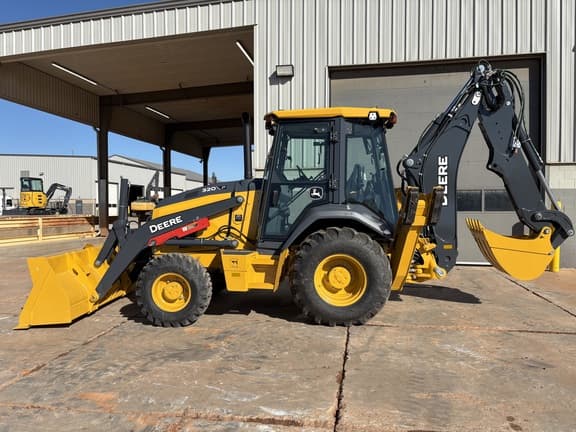
A backhoe loader puts a loader bucket on the front and a digging boom on the rear of a wheeled tractor chassis. One operator can load trucks, backfill, trench, and often travel on pavement between stops without a separate trailer for every short hop.
An excavator is a dig specialist. Tracks (or, less often, wheels), a house that rotates fully, and a boom/stick/bucket set up for continuous digging, loading, and selective excavation. It usually needs a trailer or lowboy to move between jobs, and it does not replace a loader for stockpile work the way a backhoe’s front end can.
The decision is rarely “which digs farther on a brochure.” It is whether your week looks like multi-task utility stops or production dig cycles.
Backhoe loader strengths (loader + digger, mobility)
Backhoe loaders earn their keep when one machine has to cover several roles in a shift.
- Loader + digger in one: Front bucket for spoil, gravel, pipe bedding, and truck loading; rear digger for trenches, footings, and cleanup.
- Mobility on pavement: Many municipal and utility crews value road travel between valves, services, and short work zones without staging a separate excavator move every time.
- Crew size: A small crew can often dig, backfill, and dress with one unit instead of coordinating an excavator plus a loader.
- Versatility over peak dig rate: If your jobs are scattered and varied, the backhoe’s “good enough at several things” often beats a specialist that sits between tasks.
Configuration still matters. Extendahoes, couplers, four-wheel drive, and outrigger condition change what a used backhoe can do day one — verify those with photos and the seller rather than assuming every “same size” unit matches.
Excavator strengths (depth, reach, swing, continuous dig)
Excavators lead when digging is the job, not a side task.
- Continuous dig and swing: Full rotation keeps the bucket on the trench or truck without repositioning the whole machine as often as a backhoe’s rear-only dig pattern.
- Depth, reach, and production: For longer trenches, deeper cuts, foundations, and high cycle counts, the excavator’s geometry and dedicated hydraulic package usually fit better. Treat listing claims about dig depth as conversation starters — confirm configuration with the seller; do not invent numbers from a guide.
- Selective work: Thumbs, couplers, and specialty buckets support demolition, pipe placement, and careful digging around existing utilities when the site has room to swing.
- Site commitment: Once it is on the pad, an excavator is there to dig and load. That focus is the point.
If most of your billed hours are trench or foundation production — not driving between hydrants — start with the excavator side of the fork.
Utility and municipal job patterns
Utility and municipal work often blends both stories.
Backhoe-leaning patterns: Service repairs, short laterals, scattered residential digs, road-edge work with frequent pavement travel, and crews that need to dig then immediately backfill and dress without waiting on a second machine.
Excavator-leaning patterns: Mainline trench, deeper cuts, continuous production, sites where spoil and trucks are staged for swing loading, and jobs where a loader (or dump trucks) already handles material so the digger can stay a digger.
Many departments and contractors own both. That is sequencing, not a marketplace pitch to “buy a fleet from us.” Match the machine you are shopping for to the dominant pattern on your calendar — then fill gaps with rental or the other class when a rare job demands it.
Site access, pavement travel, and trailer needs
Access and transport often decide the purchase before dig performance does.
- Pavement and road travel: Backhoes that are set up and legal for the roads you actually use can move between short stops with less trailer choreography. Confirm local road rules, lighting, and machine weight with the seller and your own compliance needs — Track & Blade does not certify road legality.
- Tight residential or alley access: Compact excavators sometimes fit where a full-size excavator or a long-wheelbase backhoe will not. The compact excavator hub on Track & Blade can be thinner than the main excavator catalog — treat it as a secondary look for tight utility access, not a deep stock promise.
- Open production sites: Room to swing favors excavators. Box yourself against a wall or parked trucks and reduced/zero-tail-swing excavator configurations (or a backhoe working from the street) may matter more than raw size.
- Trailer and lowboy planning: Excavators almost always need a deliberate move plan. Backhoes may travel under their own power for some crews and still trailer for distance. Transport and delivery are seller terms once you inquire — Track & Blade does not haul equipment.
Attachments and multi-task crews
Attachments change the story without changing the core fork.
On a backhoe, front buckets, forks, rear buckets, hammers, and couplers support the one-machine crew. On an excavator, thumbs, quick couplers, ditching buckets, and hammers support production dig and selective work. Auxiliary hydraulics and coupler brand/type should match the tools you already own or plan to buy.
Multi-task crews still need honest capacity limits. A backhoe that “can do everything” poorly on a deep mainline is the wrong hire. An excavator without a loader partner on a backfill-heavy service day can starve the crew. Buy for the primary job; plan attachments and second machines around the exceptions.
Decision: backhoe if… / excavator if…
Lean backhoe loader if:
- You need loader and digger roles in the same shift.
- Pavement travel between short utility or municipal stops is common.
- Crew size favors one versatile machine over a dig specialist plus a loader.
- Jobs are scattered and varied more than continuous trench production.
Lean excavator if:
- Digging is the primary billed work — depth, reach, swing, and cycle time matter most.
- Trucks or other loaders already handle material, so the digger can stay on the trench.
- Sites have room (or the right tail-swing config) for continuous swing work.
- You are comparing used excavators for production dig, foundations, or mainline trench.
If the answer is still “both,” start with the class that matches your worst recurring job, then browse the other hub when a listing’s configuration fills a gap.
| Choose backhoe loader if | Choose excavator if |
|---|---|
| You need loader and digger roles in the same shift | Digging is the primary billed work — depth, reach, swing, and cycle time matter most |
| Pavement travel between short utility or municipal stops is common | Trucks or other loaders already handle material, so the digger can stay on the trench |
| Crew size favors one versatile machine over a dig specialist plus a loader | Sites have room (or the right tail-swing config) for continuous swing work |
| Jobs are scattered and varied more than continuous trench production | You are comparing used excavators for production dig, foundations, or mainline trench |
Browse backhoe loaders and excavators
When the utility-vs-production fork is clear, match it to live inventory.
- Compare used backhoe loaders for hours, year, ask, extendahoe/coupler notes, and tire/outrigger condition.
- Browse used excavators when dig performance and swing lead the decision.
- For tight utility access only, skim used compact excavators as a secondary, thinner hub — do not expect the same depth as the main excavator catalog.
- Need help navigating a listing? Contact — or call (405) 873-7772 / email sales@trackandblade.com.
Track & Blade connects buyers and sellers. Confirm configuration with the seller (extendahoe, couplers, thumbs, hydraulics), plan inspection and transport between the parties, and inquire on the listing that fits the work — not the brochure fantasy.